All Categories
Featured
Table of Contents
Still, instead of how much privilege, direct exposure, and support individuals have actually had before experiencing a brand-new tool and during the transitional period, they're being asked to utilize it. What does this mean for innovation adoption in the workplace?
However to move beyond niche usage and reach the more hesitant mainstream, adoption strategies need to make technology available, reduce fear, and eliminate friction. In the workplace, this implies investing in cultural readiness, peer-to-peer coaching, transparent interaction, and an incremental rollout, instead of just introducing a brand-new system, expecting behavioral change, and assuming adoption is intrinsic.
We'll take a look at four innovations the Web, smart devices, ChatGPT, and CRMs and break down the technology adoption cycle across the five associates of adopters: The adoption of the Web was slower initially due to the intricacy of innovation and facilities. By the early 2000s, its adoption sped up with prevalent browser accessibility and affordable connectivity.
Adoption was limited to tech lovers, the military, and academics. Early adopters accounted for around 13.5% of users by the mid-1990s.
Adoption in establishing areas got momentum throughout this stage. Rural and remote locations began embracing the Web, with worldwide Web penetration reaching 64% in 2023.
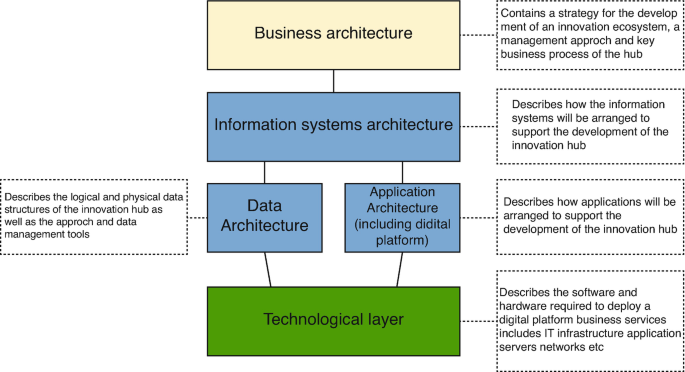
Distributed Architectures As the Innovation Catalyst
Fundamental facilities is important for long-term adoption success. Global adoption needs focused efforts on accessibility and cost.
The launch of the iPhone in 2007 functioned as a driver, rapidly shifting adoption into the early majority phase by presenting an easy to use interface and app ecosystem. Compared to traditional journeys, smart devices had fewer lags in between accomplices due to high demand for mobility and communication, smart ad campaign, and easy to use items.
Adoption was limited due to high expenses and restricted functions. Apple's iPhone launch in 2007 marked a turning point, drawing early adopters eager for a touch interface and app environment.
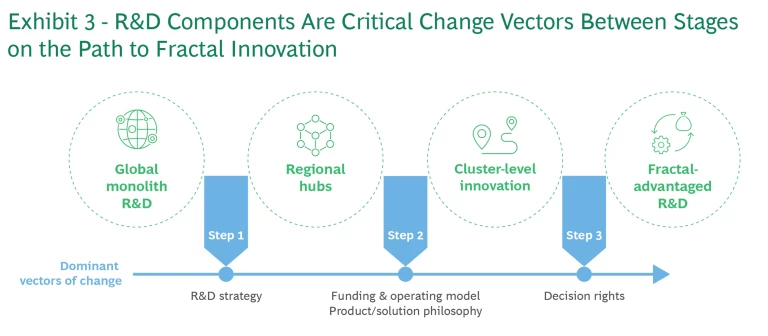
Innovation Centers Versus Traditional Corporate Laboratories
Affordable Android gadgets made it possible for mass-market adoption, particularly in developing regions. In 2024, 310 million Americans owned a smartphone, equaling an innovation adoption penetration rate of 96%.
Consumer adoption accelerates when innovation fixes immediate discomfort points. Community development (like apps and accessories) drives user adoption across all associates.
Unlike standard journeys, CRMs required substantial market education about their advantages and display a plan for B2B adoption journeys in brand-new technology classifications. CRMs experienced extended early stages due to their intricacy and the requirement to show ROI before companies invested heavily.
The turning point came when Salesforce introduced a cloud-based CRM in 1999, drawing innovators and early adopters from sales and marketing teams in tech-forward organizations. Adoption grew steadily as business understood the benefits of centralized consumer data. CRM platforms like HubSpot and Zoho made CRMs cost effective and user-friendly for SMBs, fueled by ease-to-use tools, strong integrations, informing users on how to utilize CRM systems, and large marketing projects.
How Innovation Hubs Drive Corporate GrowthThe Comprehensive Tech Transformation Playbook in 2026
Extensive adoption among non-tech markets, small companies, and developing markets. CRMs with mobile-first capabilities and industry-specific options helped close the adoption space. In 2024, there were over 750 CRM innovation suppliers listed on Small businesses or markets with minimal tech integration adopt CRMs as they end up being vital. CRMs are now expected to handle customer data throughout sectors.
Sales teams (the end-users) withstood moving from manual to digital procedures and frequently viewed CRMs as an administrative function that presented an obstruction to selling. Lots of companies hesitate to invest in pricey technologies without clear evidence of ROI. Adoption speeds up when solutions demonstrate tangible ROI (e.g., increased sales, better customer retention).
ChatGPT bypassed lots of traditional early adoption obstacles by being complimentary, instinctive, and immediately impactful for individual and expert usage. ChatGPT's public release in November 2022 drew tech lovers, early adopters, and curious users.
ChatGPT went beyond 100 million month-to-month active users in January 2023, just 2 months after its launch. Prevalent adoption across markets such as client service, content creation, and education. Organizations started embedding ChatGPT APIs into workflows, and innovation business invested capital and resources into AI-focused R&D projects, expanding its reach. Broader adoption in non-tech sectors, with AI tools incorporated into everyday company and customer tools.
Edge Computing As An Innovation Catalyst
Adoption by those hesitant of AI or unfamiliar with its usage cases. Users had to discover how to utilize AI tools successfully and how they might contextually use them to drive worth for special use cases.
Freemium models considerably accelerate adoption by removing barriers to entry. This produces a gap in between digital technology capabilities and the human capability to utilize those abilities, which is growing and accelerating.
The clients in the very first group are visionaries, and the latter are pragmatists. An important stage in the innovation adoption lifecycle is when new technology is being used by early adopters instead of by the early bulk. The "gorge" describes the space between the early adopter and early bulk sectors.
To cross the gorge, a company requires to develop a method that attends to the concerns of the early majority and persuades them to adopt the product. Encouraging the early bulk to embrace the product involves developing a sleek and reliable product with a marketing message highlighting the innovation's practical advantages.
The user experience delighted in by this specific niche target segment eventually determines the word-of-mouth credibility within various sectors of the early majority. Only when an innovation successfully crosses the gorge can it achieve mainstream adoption.

Latest Posts
Integrating Smart Infrastructure for Drive Strategic Innovation
Key Technical Tips for Successful Hub Management
Is Your Hub Prepared to Handle 2026 Tech?